
PYRAMID CONQUEST
Level Designer Vancouver Film School
Project Overview:
Welcome to my portfolio featuring Pyramid Conquest. This was my first project in Unreal 5, I learned a lot from this project. I had two terms to finish this project. In term three I started working on doing research for the levels and wrote level design document for my design and used Miro for reference gathering. At the end of term 3 I had to finish white boxing the levels I designed. I planned three levels. I was able to accomplish the work in time. Term four was most busy for me because I was working on prototyping the final project also. But I was able to finish this project on time in term 4.
Engine- Unreal 5
Visual Scripting - Blueprints
Accomplishments
Designing the Levels
Level Descriptions
Level 1 The Cold village:
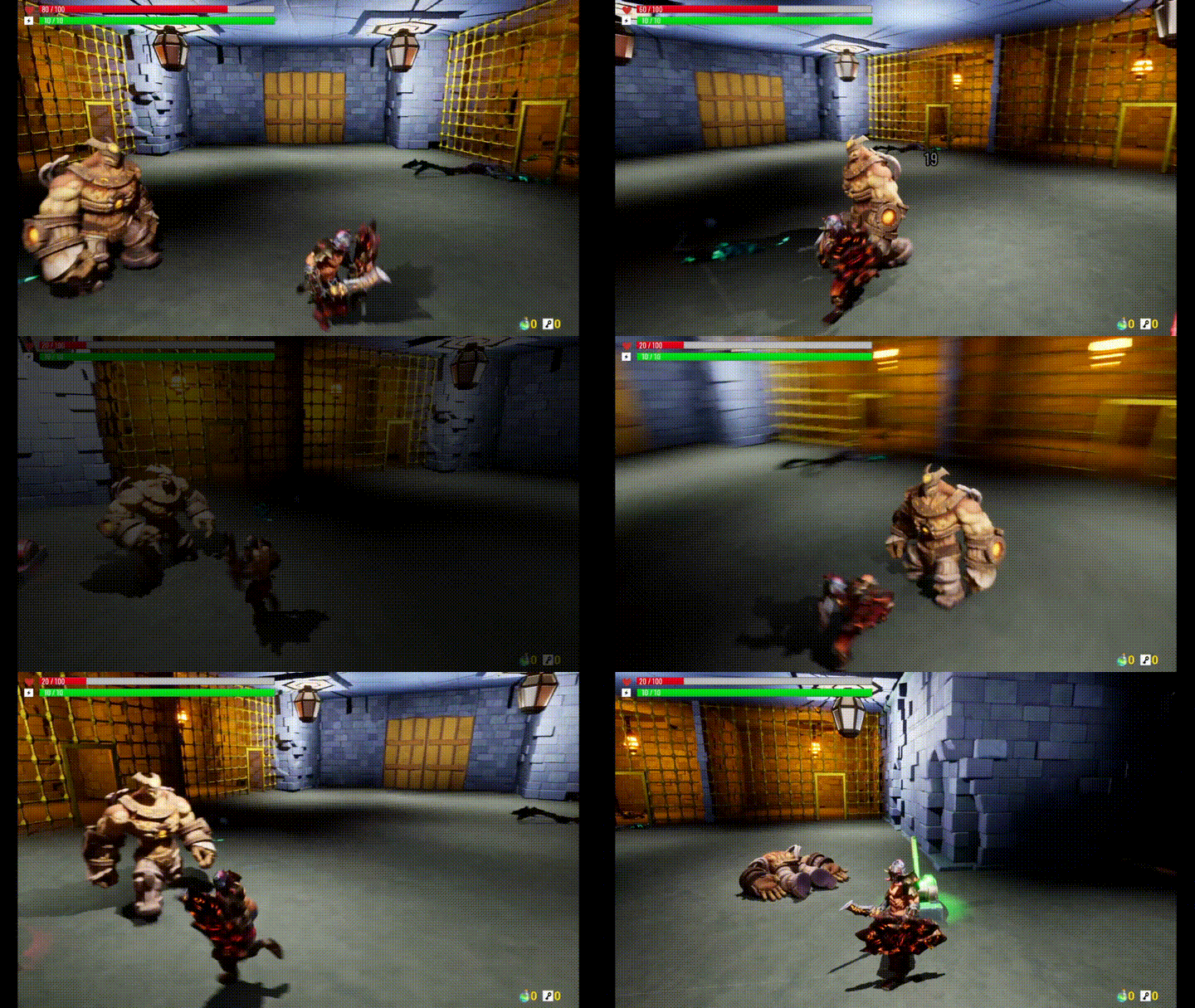
The cold village is where the player starts the game. Players start the game in a Nightton temple in which he performed dark rituals to become powerful. This village has been abandoned for decades and is surrounded by white mountains. The reason this village is abandoned is because of the history of dark rituals performed by the devil in this place. So many people have died in the past.
The dead people who are buried in a graveyard have turned into hidden demons which are ready to attack the player. This graveyard includes traps which are hidden within the environment. So, the player must traverse through the environment in order to enter the next gameplay beat. The Dungeons which is close to the graveyard has trapped prisoners for decades. The cage is in a mysterious place which is hidden in the cold village. Dungeon has demons in it which are trapped from decades. Demons will attack player when he reach in contact with them. Player will have to find the portal.
Level 2 The Mighty Desert:
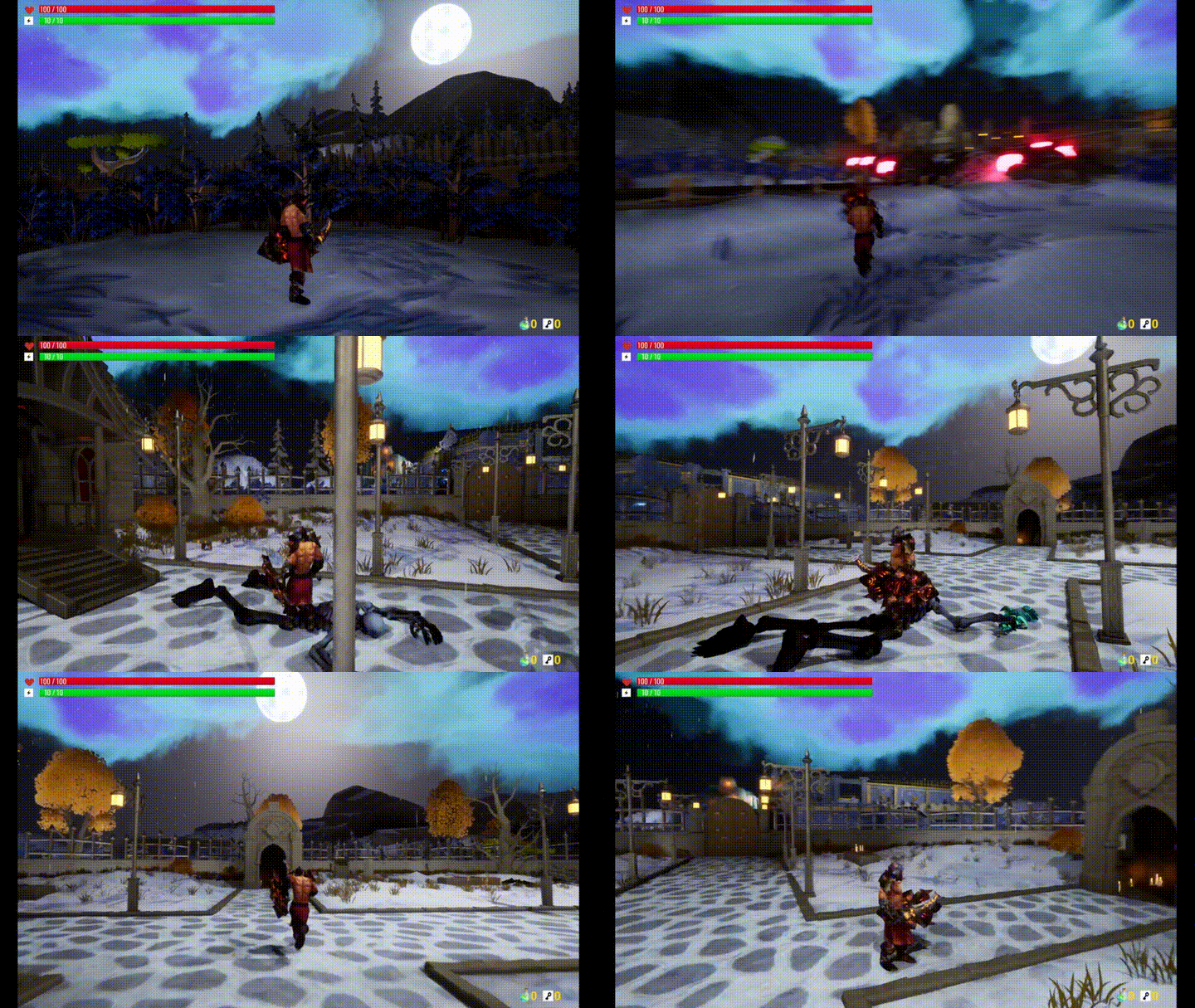
Unforgiving desert lies a remote village known as Mirage sands. The village is surrounded by endless scorching sand. Its architecture reflects the harsh desert environment with narrow alleys. As the player navigates through the village, he will encounter a variety of challenges. There will be hidden traps that will challenge the player. The next gameplay beat is the traps of the desert which includes spikes, swinging Axes and saws. In this sublevel player will be trapped in a mysterious place so the player must find his way to the next gameplay beat. The almighty weapon chamber is a hidden place in the desert which is surrounded by sand storms. In the beginning of the chamber there are challenges that player will encounter. player must overcome challenges in order to collect the weapons hidden within the chamber. The enemies in this level are difficult as compared to the first level. In the center of the chamber rests a collection of weapons unlike any other: gleaming swords, jeweled shields, Shining powerful bows with arrows that emit fire.
Level 3 The pyramids of the ancient
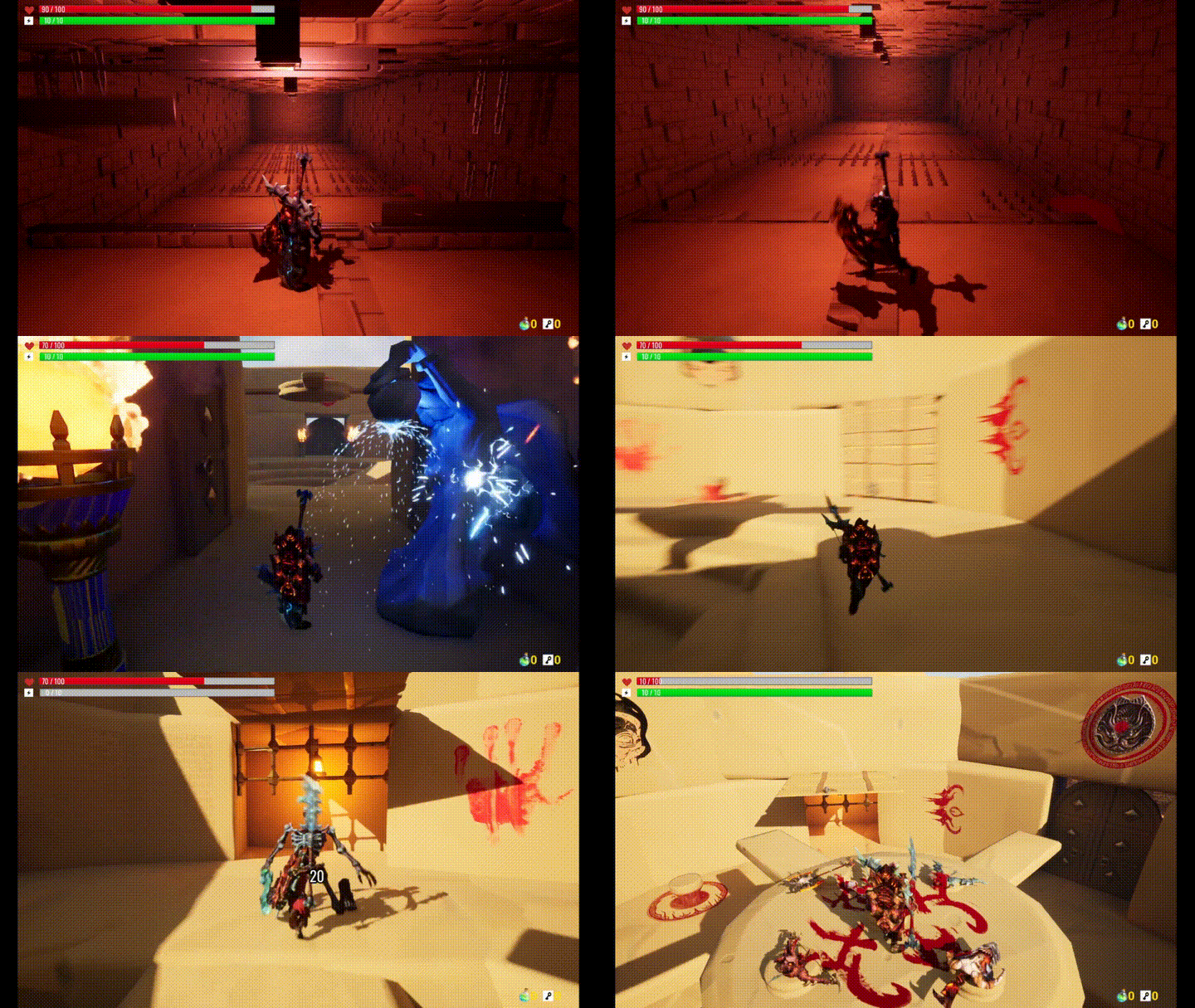
The pyramids are the primary architecture of this sublevel which are surrounded by massive sand mountains. Pyramids are massive structures made of stones with interactive passageways, chambers and corridors. The walls of the architecture offer clues about the pyramid’s history and secrets. The environment includes the historic buildings carved out of stones with giant entrance gates. There will be environmental hazards that pose challenges to the player. These hazards will include collapsing ceilings, falling debris and hidden traps. Within the pyramid, ancient enemies lurk around every corner, ready to attack the player. There will be three pyramid structures in the middle of the environment with the center pyramid bigger than the other two. Entering the center pyramid will trigger the fight with boss enemy Anthrax. Player must defeat Anthrax in order to get the kingdom of the pyramids back from king Anthrax.
Level 1
Level 2

Level 3
Set Dressing and Environmental Storytelling
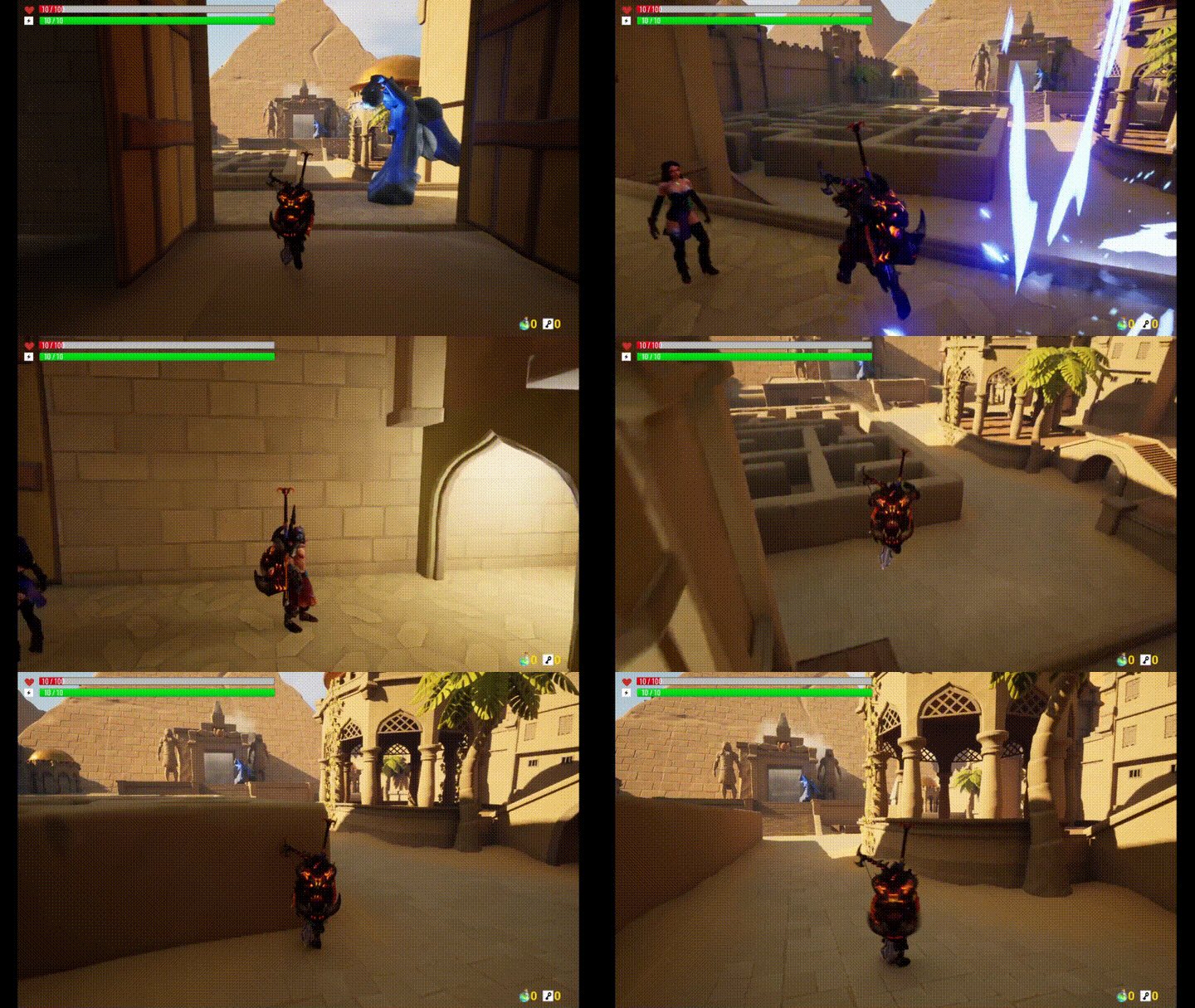
I learned how to use set dressing and environmental storytelling to create more engaging and believable environments. Set dressing involves placing objects, furniture, and other details in a scene to make it feel realistic and alive. I focused on arranging these elements in a way that tells a story without words, using things like lighting, textures, and the condition of objects to hint at the world’s history or the characters who inhabit it. This experience helped me understand how to create environments that not only look good but also support the overall narrative and make the player feel more connected to the story.
Visual Scripting (Blueprints)
Through this project, I learned how to use Blueprints, Unreal Engine’s visual scripting system, to bring interactivity and functionality to my scenes without needing to write complex code. I applied Blueprints to control various game mechanics and interactions, making the world feel more dynamic. Additionally, I explored how to optimize performance by loading and unloading sublevels. This technique helped me manage large environments more efficiently by only loading the necessary parts of the world when needed, reducing the overall memory load and improving the game’s performance. By mastering these tools, I was able to create smoother, more efficient experiences while maintaining the visual and interactive richness of the environment.
Landscape Editor
In this project, I learned how to use Unreal Engine’s Landscape Editor tools to create and modify large, detailed outdoor environments. The Landscape Editor allowed me to sculpt terrains, adjust elevations, and paint various textures to build realistic landscapes, from rolling hills to rocky cliffs. I experimented with features like heightmaps, layers, and foliage painting to add natural details, such as grass, trees, and rocks, giving the environment a more immersive and dynamic feel. By using these tools, I was able to design expansive, believable outdoor areas that enhance the overall atmosphere of the project, making the world feel vast and lived-in.
Cinematics
In this project, I learned how to use Unreal Engine’s Sequencer tools to create cinematic events and cutscenes, which play a big role in storytelling and player engagement. I worked with Camera Actors to set up different viewpoints and used the Sequencer tool to control the camera’s movements, angles, and transitions. This allowed me to create smooth, cinematic camera sequences that helped highlight key moments in the story. I also learned how to sync camera actions with animations, sound effects, and other elements to build tension, guide the player’s focus, and enhance the emotional impact of the scene. By experimenting with different camera techniques, such as zooming, panning, and tracking shots, I was able to design camera work that feels natural and immersive, making the world feel more alive. This experience helped me understand how powerful the camera can be as a storytelling tool, not just for gameplay, but for enhancing the narrative and creating memorable moments.
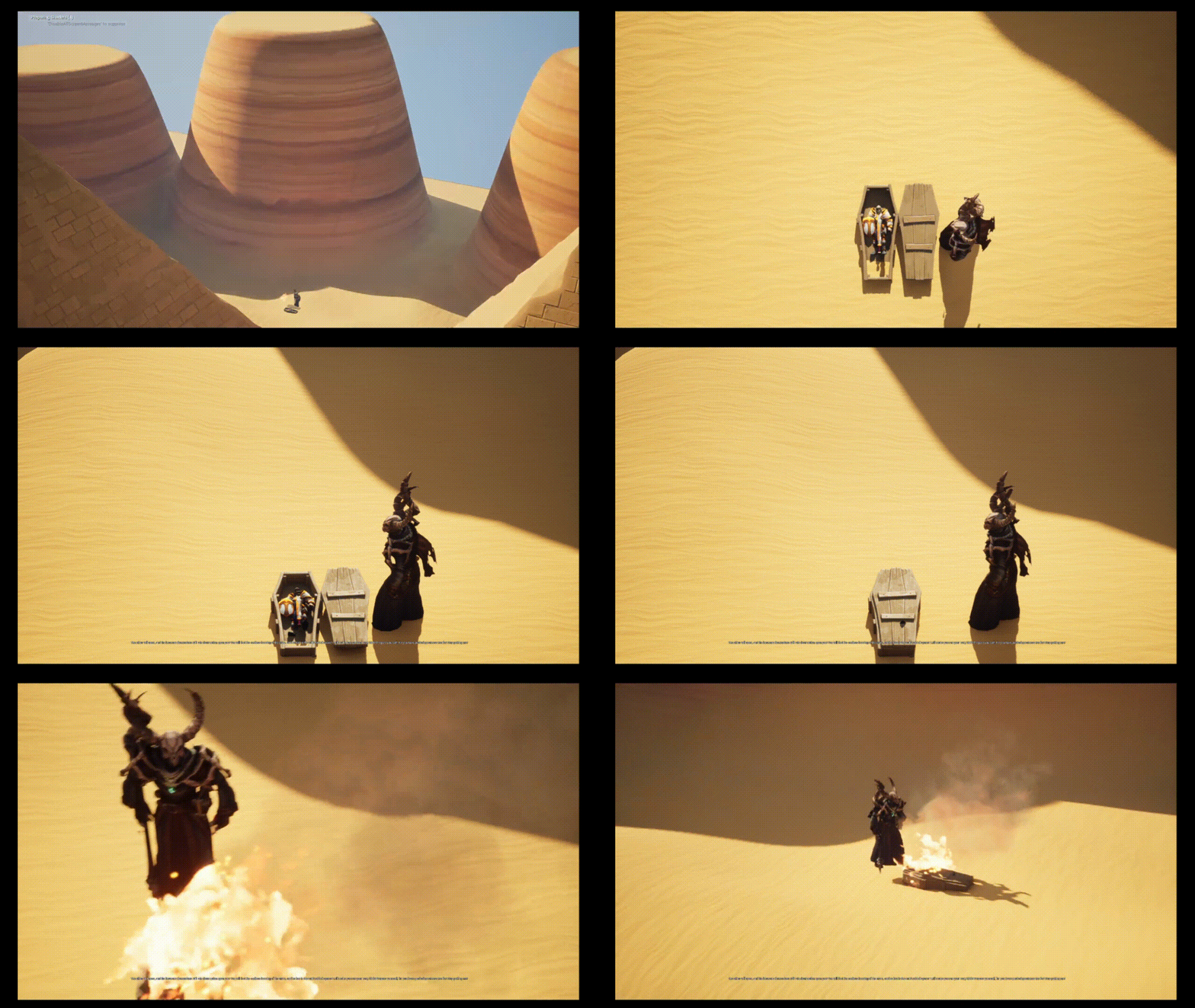
Cinematic Sequence